Over the last few years, AI has seen some incredible developments. I've spent the last two years applying its power in fields from healthcare to materials science.
Egghead: Chubb's Hackathon Challenge
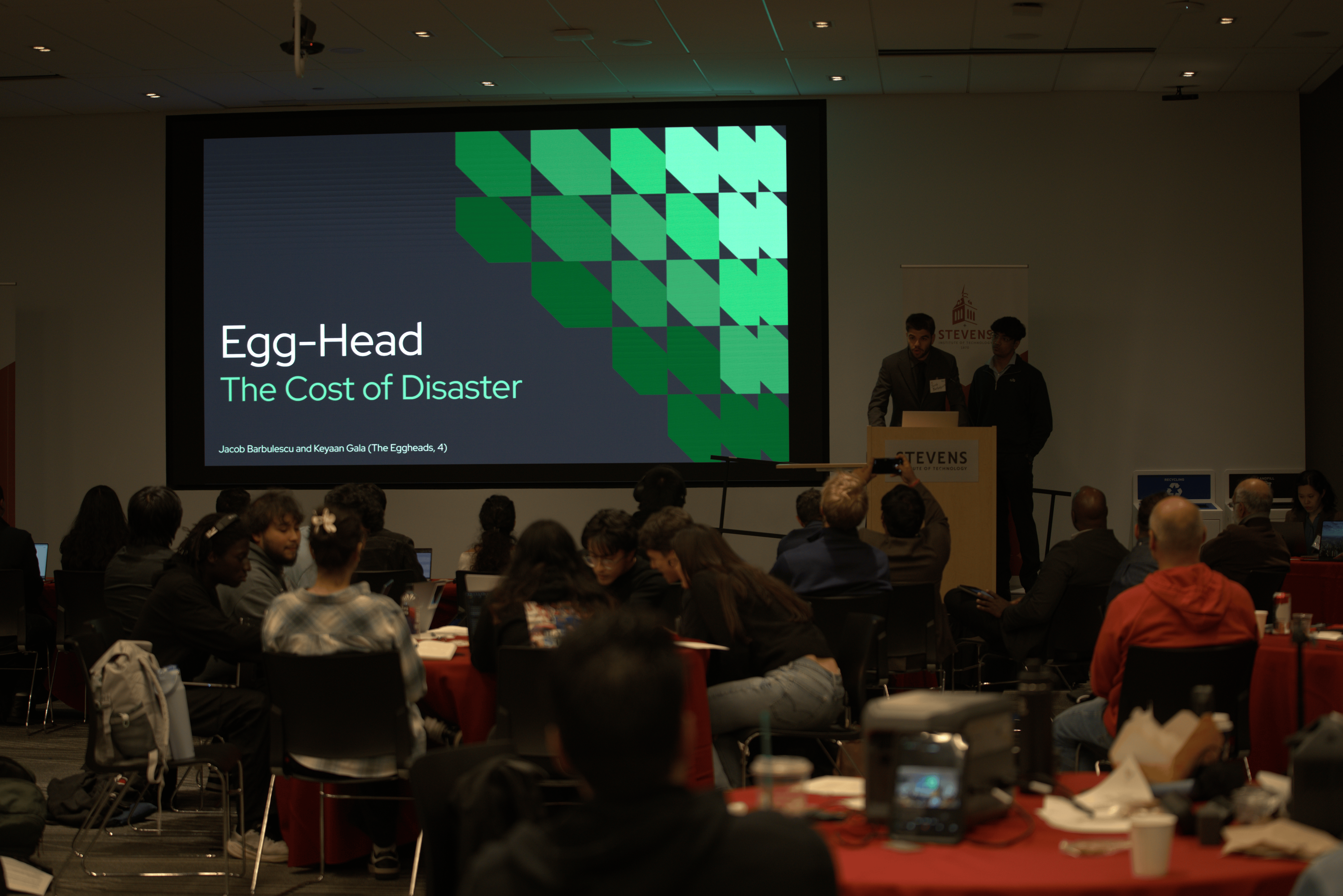
I participated in the 2026 Stevens Business + AI Hackathon with my friend. This was my first hackathon, so building and presenting an AI model on a short timescale was both a lot of fun and a great learning experience.
Teams were tasked with building an AI model in 6 hours to tackle challenges given by the event's company sponsors. My team, the Eggheads, decided to approach Chubb's challenge.
Chubb wanted an early warning system to detect emerging global risks before they impact the world. By monitoring public news and bulletin services, the warning system would be able to give clear, actionable alerts to keep insurance companies ahead of the game.
My team chose to start with a small scope and focus on disease outbreak prediction. By building a robust, scalable design, our model could then be expanded to whatever global systems a company would want to track.
We architected a system where an LLM dynamically extracted events from the WHO disease outbreak bulletin and fed them into an EPI model. From there, the severity of each event was tracked, and, if the score was high enough, the LLM produced an alert detailing the disease and its predicted impact.
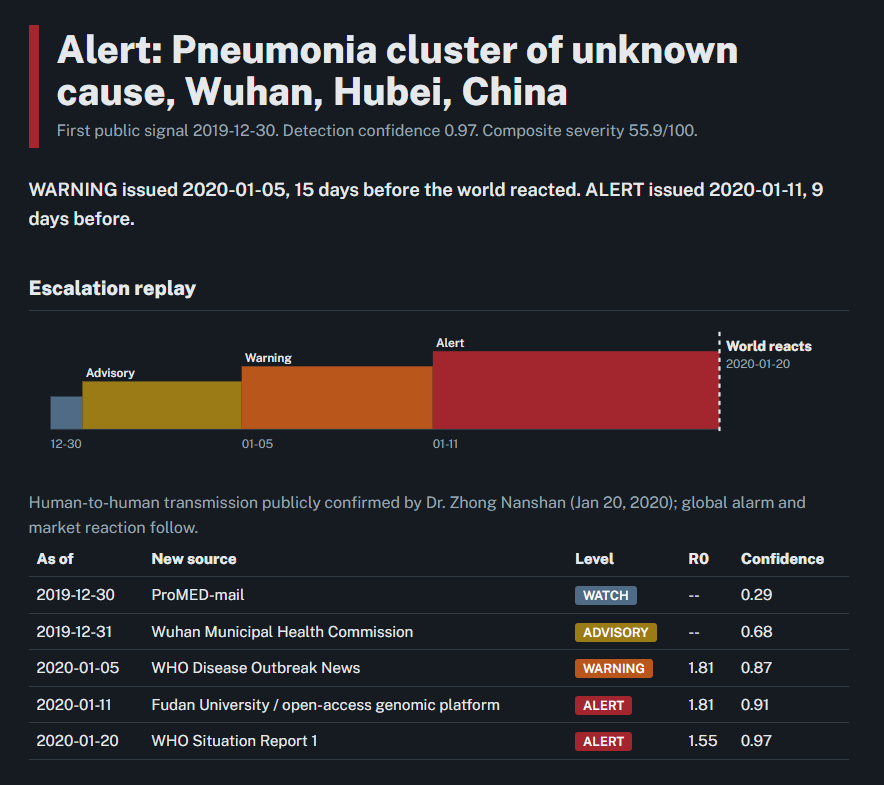
Our showcase involved a backtest of taking real bulletins from the end of 2019 into January of 2020. Given reports on the spread of pneumonia in Wuhan, China, an alert was raised. The alert said that this disease was spreading quickly and should be monitored. In reality, this pneumonia outbreak was the beginning of Covid.
A global alert came from Dr. Zhong Nanshanon Jan 20, 2020. Our model raised an alert starting on a bulletin from Jan 11, 2020. This 9-day difference can lead to huge impacts on how companies respond to a global crisis. By seeing a crisis before its impacts, a reactive response becomes a proactive response.
Although this backtest was limited in scope, it demonstrated the potential of the framework we had developed.
Designing Extraordinary Magnetoresistance (EMR) Sensors
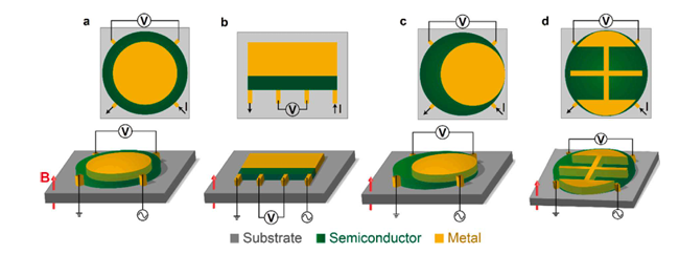
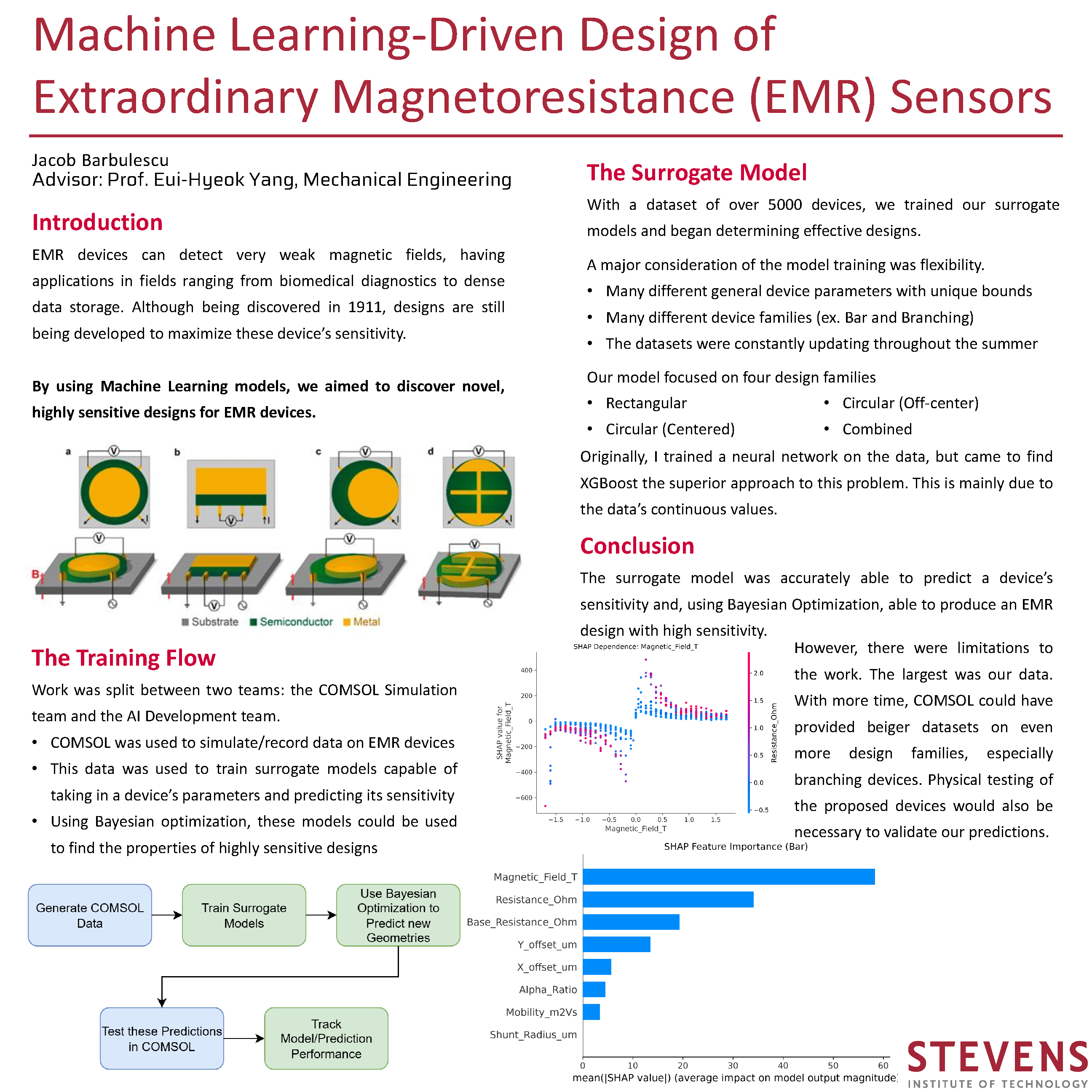
EMR devices can detect very weak changes in magnetic fields, having applications in fields ranging from biomedical diagnostics to dense data storage.
However, these microscopic devices are expensive to manufacture, requiring expensive materials such as gold and advanced fabrication equipment. Testing for new designs, especially in broad design spaces such as branching structures, is slow and inefficient.
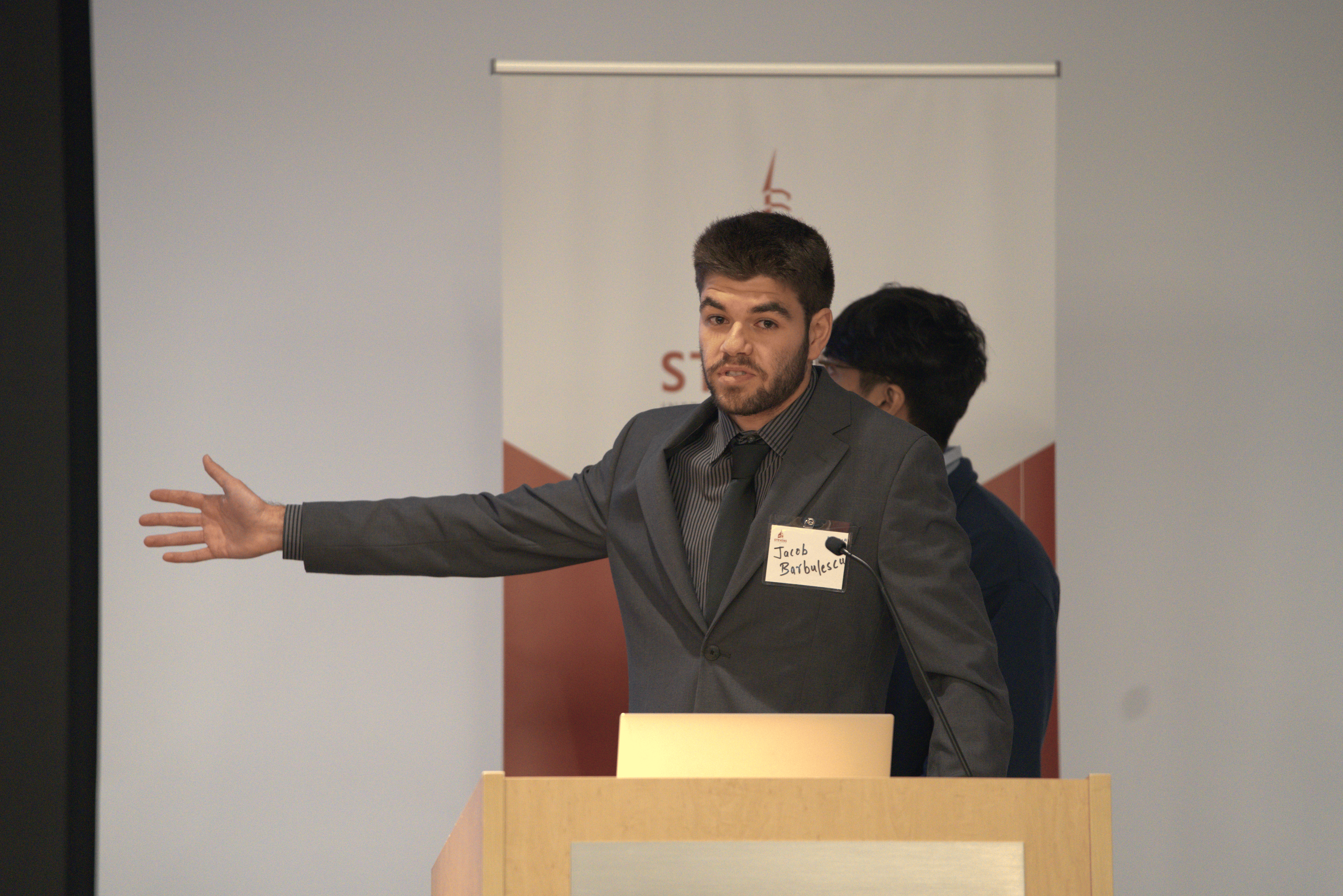
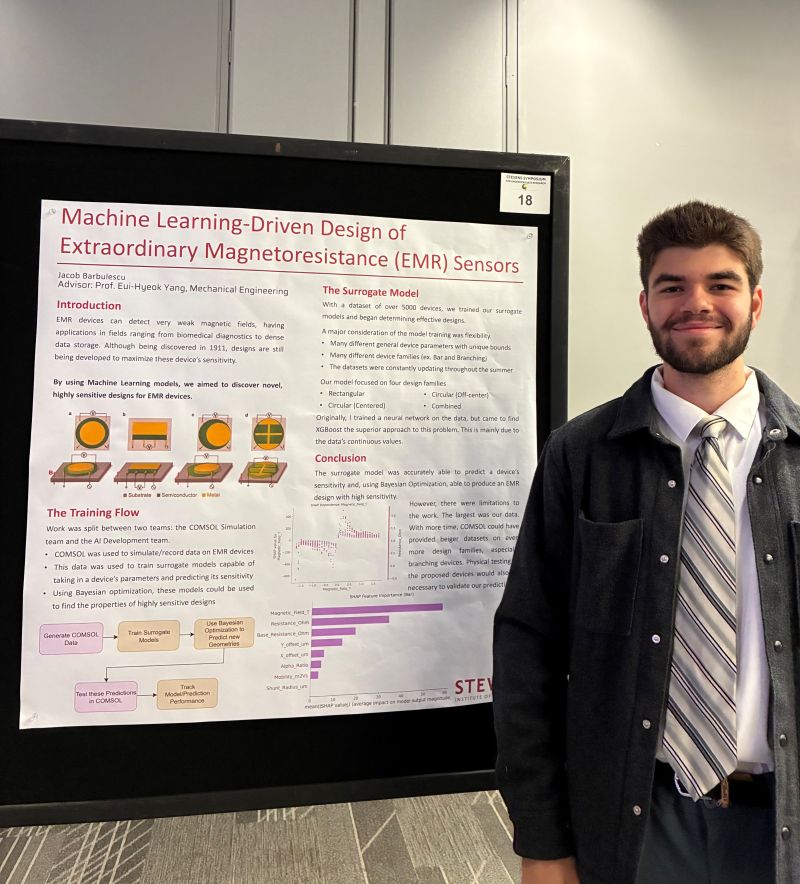
Using machine learning, I was able to predict highly sensitive EMR designs, narrowing down the search space significantly. I then presented my work at the 2026 Stevens Undergraduate Research Symposium.
Under Dr. Eui-Hyeok Yang, work was split between two teams: the COMSOL Simulation team and the AI Development team. COMSOL simulated different designs and geometries, and I used this data to train a surrogate model (XGBoost) capable of taking a device's geometry and predicting its sensitivity.
From there, Bayesian optimization was used to effectively work backwards. The optimization process would find locally optimal designs, and then output the geometry parameters for that design. Through this method, highly sensitive EMR designs could be identified efficiently.
For the sake of validation, the model was only trained on disc, bar, and off-center disc EMR designs. These design branches have been heavily researched, so it was easy to compare my model's outputs to existing designs and validate the model. However, the framework developed can be extended to more novel applications such as branching structures.
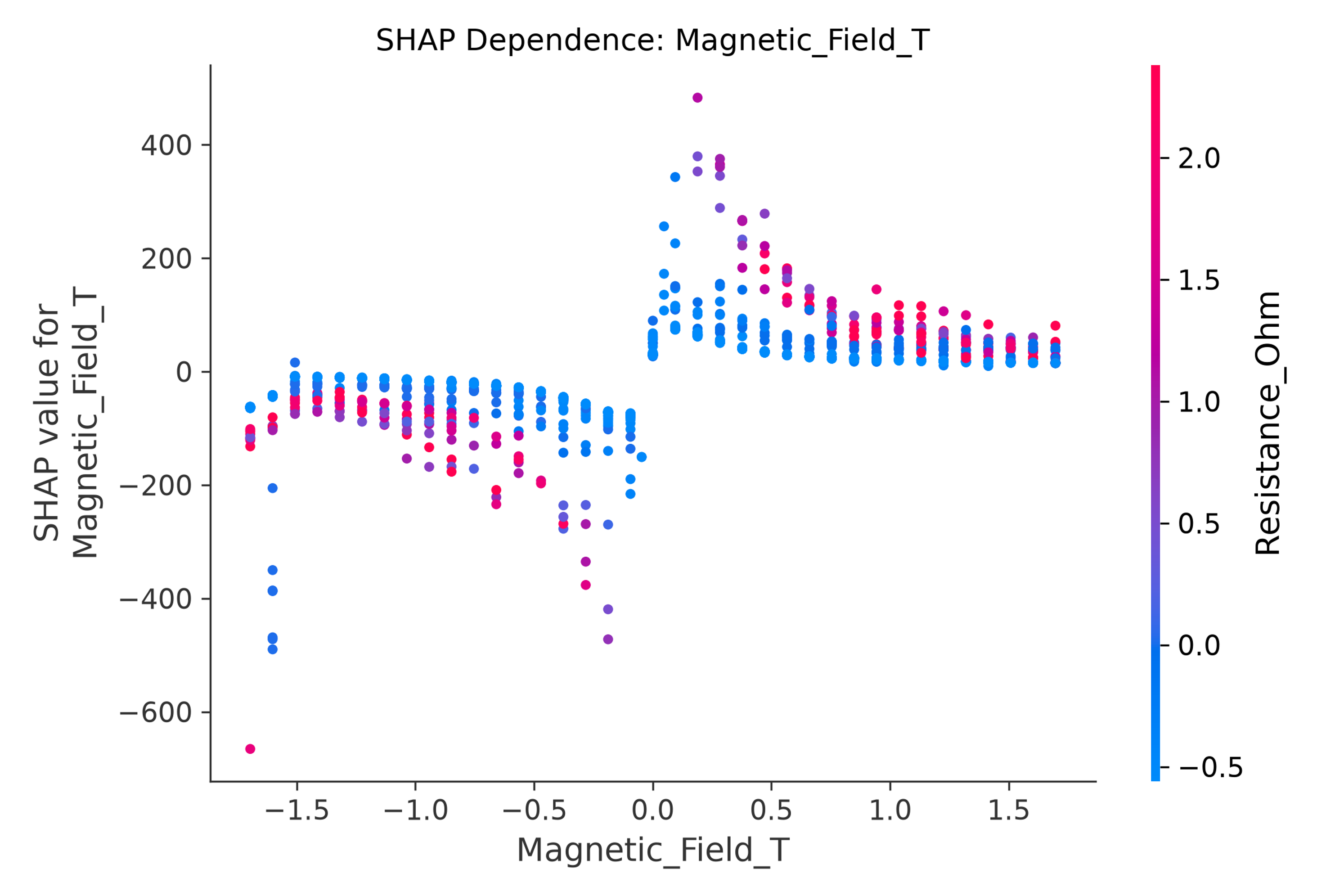
A major learning point was in managing what data the model sees. In training, the COMSOL datasets included parameters such as magnetic field and resistance. However, both values are used to calculate a device's sensitivity, which led to leakage in my model's training. By giving my model a shortcut to the answer, predictions could be made for the wrong reasons.
I was able to catch this issue when performing SHAP analysis on the model and seeing those fields being heavily favored. Future work on this project would focus on controlling the information the model sees to force it to make stronger and more nuanced relationships between device geometries.
HeraHealth Postpartum Hemorrhage Tracker

Today, 200 mothers worldwide will die from postpartum hemorrhaging, the leading cause of maternal deaths. This excessive bleeding after childbirth will cause 70,000 deaths this year, and it remains one of the leading and most preventable causes of maternal death.
HeraHealth is determined to fight this statistic and help new mothers.
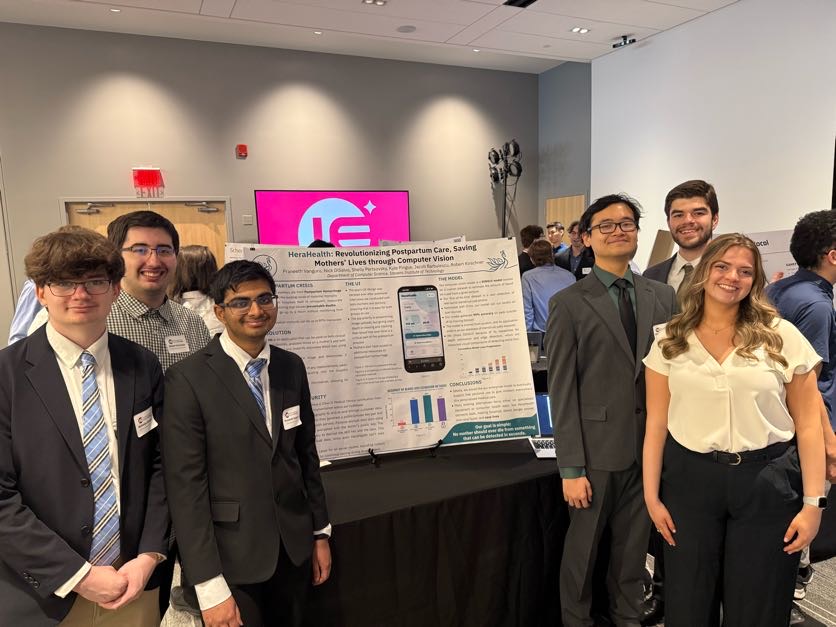
For my senior capstone project at Stevens, I had the pleasure to work with HeraHealth on this mission. I worked with a team of 6 to design the HeraHealth PPH Tracking app.
With the app, any smartphone can be used to upload pictures of menstrual pads to be analyzed by our AI model. The model can then, in seconds, closely estimate the amount of blood loss on the pad and whether or not immediate intervention is needed. Medical staff using the app can sync with their patients to track blood loss and know when intervention is needed.
We finetuned Meta's DINOv3 computer visionmodel to serve as the app's blood loss detection system.
Training involved using a custom-made dataset of menstrual pad images with varying blood loss. To further expand our dataset and improve model robustness, we employed data augmentation techniques. A key motivation behind the augmentation was to also emulate photos that would be submitted by mothers, so we implement different lighting, blur, noise, and other poor conditions in our augmentation.
Since the PPH app is classified as a medical device (SAMD), we had to adhere to strict guidelines and perform extensive validation on our work.
Much of my time was spent writing documentation describing the app's design and alignment with international standards such as the ISO and IEC. Validating the app and backend infrastructure via test cases was equally important, especially since users' sensitive medical data would be stored on their accounts.
We presented our project at the Stevens Innovation Expo 2026 at the end of the school year.
As my team ended their time with HeraHealth, the app was making significant progress towards its full release. 4 hospitals, including one in Kenya, piloted a demo build of the app to begin the feedback process. This was also a major step in the app's FDA approval process, acting as one of the last major barriers to full release for the startup.
PECO: Peer Support Coach
Millions of people worldwide suffer from mental health issues, yet access to professional support is limited. Many turn to online resources such as 7 Cups for support, but this comes from non-professional volunteers.
While their intentions are good, untrained volunteers may end up not helping or even harming those seeking support. A safe, scalable solution to train these volunteers can cause a significant improvement to the quality of support seekers receive.
Under the mentorship of Dr. Sang Won Bae and Dr. Rahul Islam, I helped design PECO, an AI-powered mental health support coaching system and presented the system at the Stevens Next-Gen Healthcare Innovators Symposium 2025.
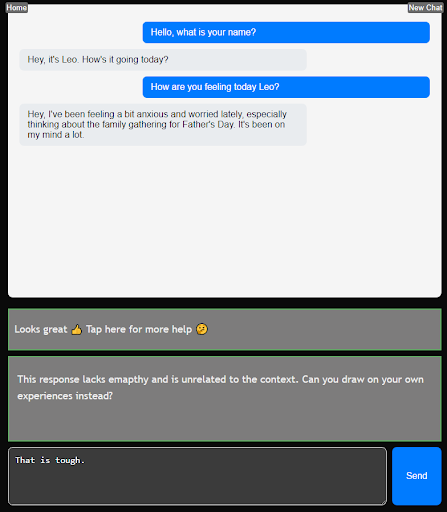
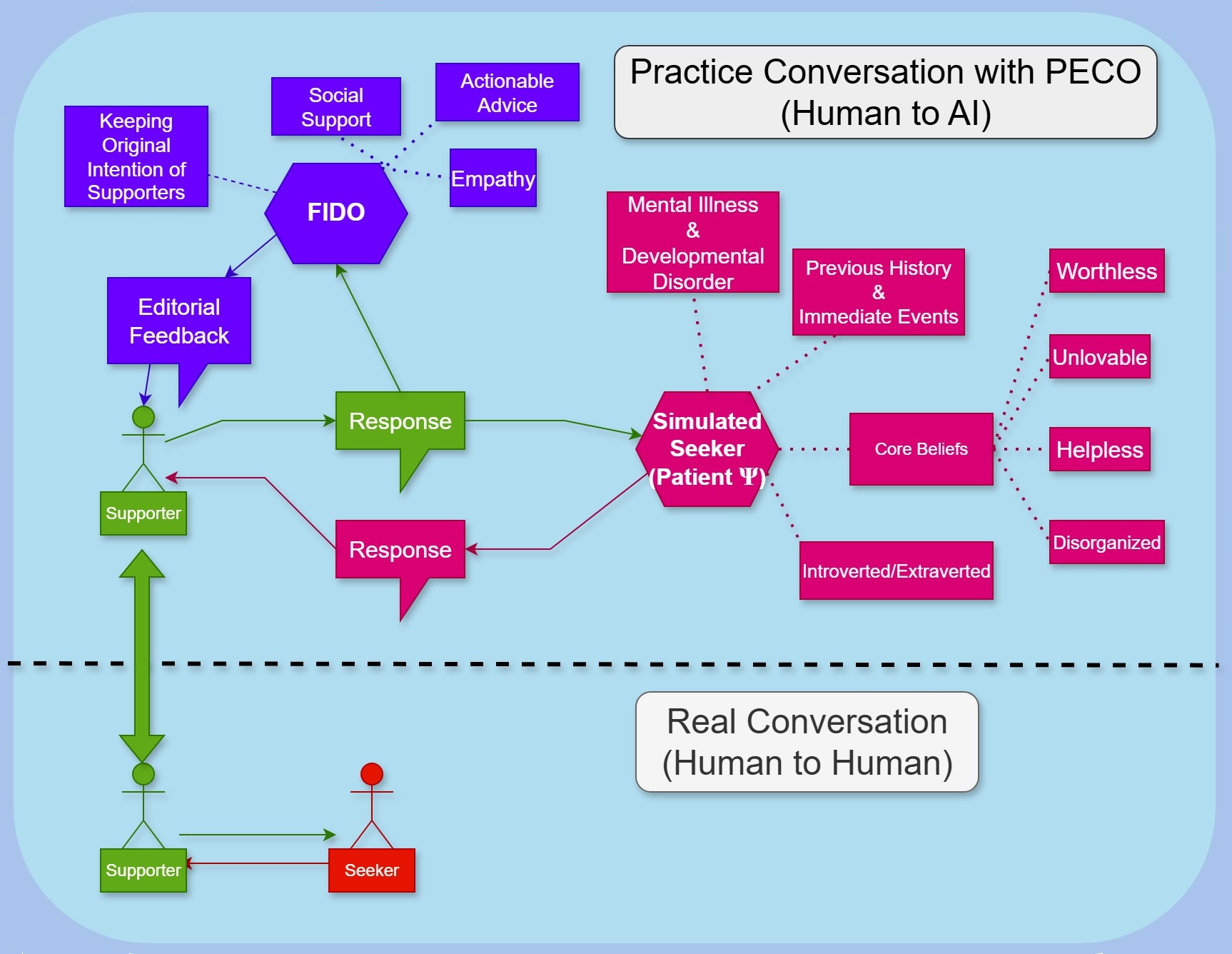
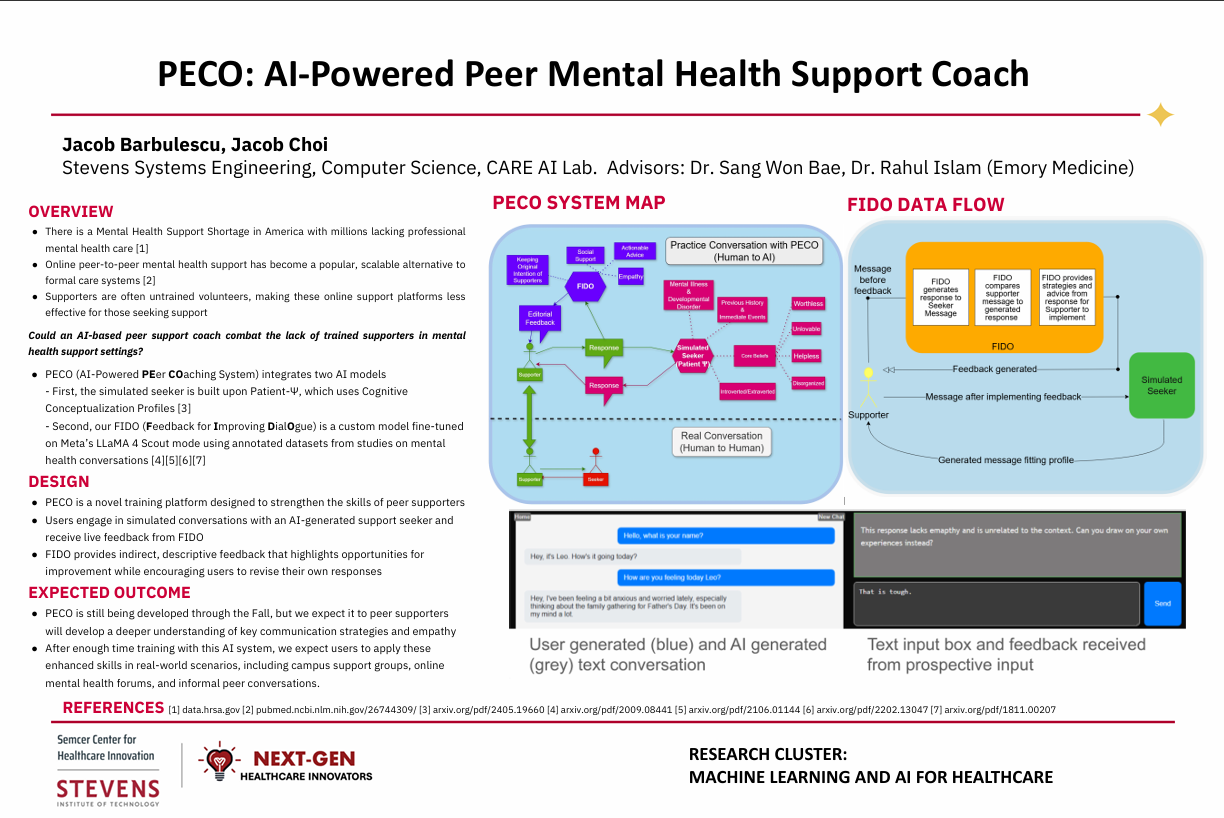
PECO (AI-Powered PEer COaching System) is a training platform designed to strengthen the skills of peer supporters. Users will have a conversation with a simulated support seeker, and as they do, they will receive live feedback telling them how to improve their responses.
The simulated seeker is built upon Patient-Ψ, a large language model (LLM) framework that employs Cognitive Conceptualization Profiles to generate realistic mental health patients in varied scenarios. When starting a conversation with these simulated seekers, users will experience a wide range of personalities and traits, such as hostile or verbose, giving them extensive practice in handling different situations.
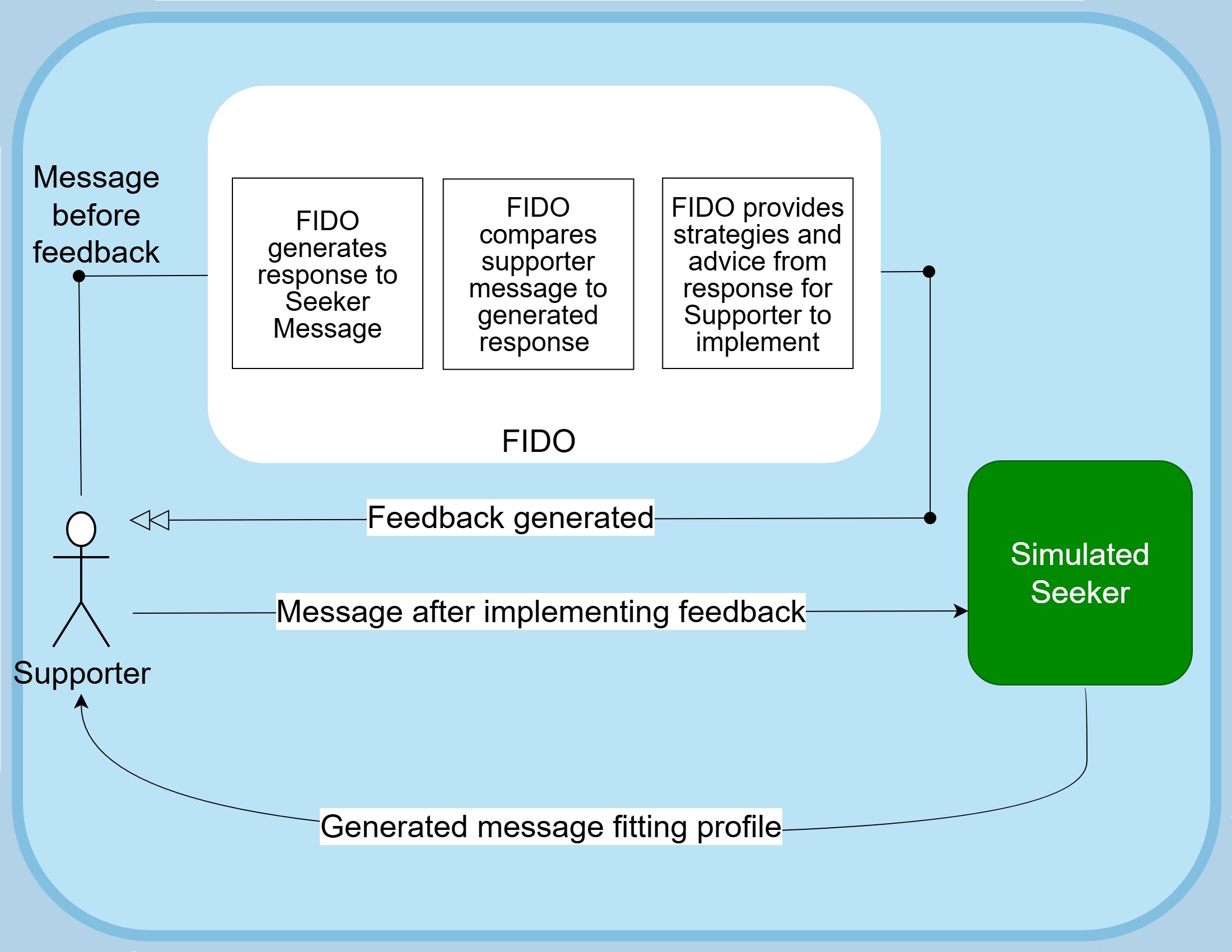
As the conversation progresses, FIDO (Feedback for Improving DialOgue) reads the user's responses and evaluates them based on professional support strategies. From there, FIDO gives feedback on how to improve the support messages, coaching the user as they practice. FIDO is a custom model fine-tuned on Meta's LLaMA 4 Scout model.
FIDO (Feedback for Improving DialOgue). FIDO provides indirect, descriptive feedback that highlights opportunities for improvement while encouraging users to revise their own responses. This reflective feedback style is intended to preserve the user's voice and foster active learning.
This was my first true AI project, and the biggest lesson I learned is that asking for help is the best way to learn. The biggest leaps of progress I made were always after I asked others for advice, either from my advisors or from experts I approached myself.
The advice I remember best is a graduate student teaching me about RAG pipeline design. It really helped me understand how the architecture of the AI system is just as important as the models you use. Although we eventually chose not to use RAG pipeline in the final system, the insights I gained from researching it helped me with the rest of the project.